Why the first 6 weeks with your pet are the most important
And how to make the most of this critical time


And how to make the most of this critical time
March 22, 2026

Bringing home a new kitten or puppy is one of life's genuine joys. But underneath all the cuteness, something remarkable is happening — your pet's brain is being built in real time. The experiences they have right now, in these first weeks with you, will shape who they become for the rest of their life. That's not an exaggeration. It's neuroscience.
Both puppies and kittens go through what we animal behaviourists call the Formative Period — a short, time-limited window of enormous brain growth and social learning. During this time, their nervous systems are relaxed, their curiosity is high, and they are biologically primed to absorb information about their world: who is safe, what is normal, and how to behave.
For kittens, the primary window runs from about 2 to 7 weeks — with brain connections continuing to rapidly develop until 12 weeks. For puppies, it spans roughly 1 to 4 months. In both cases, the window begins to close as the animal's fear response matures. A puppy's flight-or-fright nervous system doesn't fully develop until 3 to 4 months — before that, they are essentially fearless and wide open to learning. Once fear arrives, that openness begins to fade.
Miss this window, and you're not just missing an opportunity — you're likely creating work for yourself down the track. The vast majority of behavioural issues I see in my clinic could have been prevented with the right experiences at the right time.
During the Formative Period, your pet is answering some very big questions: Who is my family? What does the world look like? What is safe, and what should I fear? The answers they arrive at now will stick.
Socialisation is the big one. Kittens who have no human contact before 7 weeks will usually grow up feral — genuinely unable to form great bonds with people. Studies show that even the amount of contact matters: kittens receiving 40 minutes of handling twice daily showed significantly greater sociability at one year than those receiving just 15 minutes. For puppies, it's the same story — a pup that isn't exposed to children, strangers, other dogs, and novel environments during this period is far more likely to develop fear-based aggression or anxiety as an adult.
But socialisation isn't just about other people and animals — it's also about the world itself. The vacuum cleaner. Traffic noise. The vet's waiting room. A child on a skateboard. Introduce these things gently now, and your pet learns that novelty is normal. Skip them, and even everyday life can feel threatening.
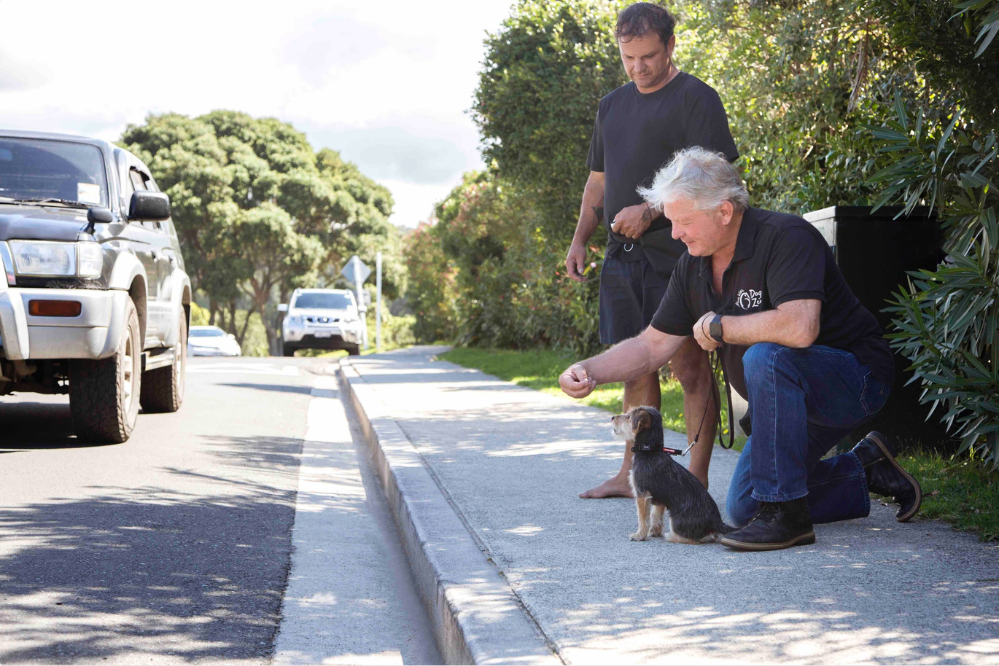
It doesn’t need to be complicated. You just need to be intentional. Here are a few of the most important things to focus on:
1. Get them out and about. Invite people over. Visit friends. Let your puppy meet your neighbour's dog. Let your kitten explore a new room. Say yes to new experiences early and often — while the window is open. (For safe ways to do this during your pup’s vaccination period, see my other article on safe socialisation).
2. Make vet visits positive. A pet who associates the vet with stress will be harder to treat for life. Make early visits calm and rewarding — bring treats, stay relaxed, and let your pet take their time.
3. Teach separation gently. It might feel kind to be with your new pet constantly — but learning to be alone is a critical life skill. Short, positive periods of separation from the start prevent anxiety from taking hold.
4. Set boundaries from day one. Don't allow anything now that you wouldn't want from a fully grown animal. Consistency in these early weeks becomes second nature — both for your pet and for you.
5. Travel condition them early. That first car journey sets a template. Keep it calm, secure, and positive — and repeat it often. Start with very short journeys, and build up to longer trips. A pet who travels easily is a pet who can go everywhere with you.
6. Build a bond. Contact, cuddles, play, and positive reinforcement training all help build your pet’s trust in you. Be their calm, confident safe place - because that relationship is the foundation that everything else is built on.
For a full overview on everything you need to do with your pet during their first six weeks with you (and HOW to do it), check out Puppy Zen and Cat Zen - my comprehensive training books, which teach you everything you know about raising an amazing dog or cat for life!
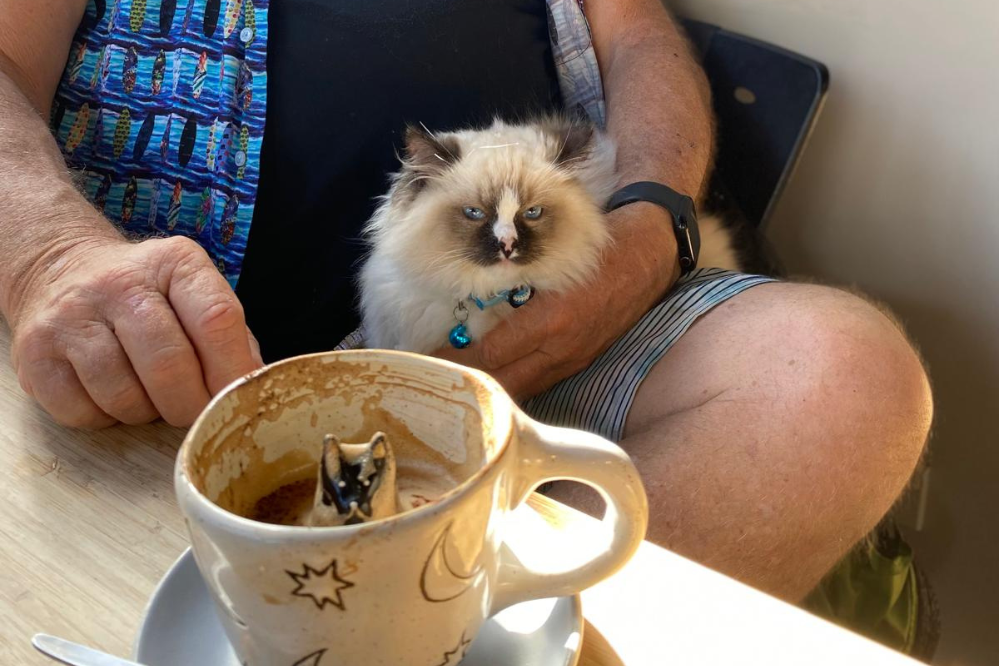
Unfortunately, unexpected vet visits are not uncommon in these critical first weeks — curious pups and kittens are fragile and vulnerable, yet seem to have a talent for getting into trouble. Even with careful management, accidents can and do happen.
Southern Cross Pet Insurance's FreeCover gives six weeks of free insurance cover for puppies and kittens aged 6–26 weeks, so you can focus on those precious early experiences without worrying about what-ifs. This could be super helpful for you.
If you sign up to FreeCover between 16 March and 14 April 2026 you get a chance to win 1 of 10 $250 Animates gift cards — a great start for your new family member. Learn more about 6 weeks FreeCover here.
The confident, sociable, resilient pets we all hope for aren't just lucky — they're shaped. The cat who welcomes visitors, the dog who stays calm at the vet, the kitten who travels without distress: these animals had owners who understood that the early weeks were an investment, not just a honeymoon.
You don't have to do everything perfectly. You just have to show up, keep introducing your pet to the world, and enjoy every moment of it. These weeks go fast — but what you do in them lasts a lifetime.
This article contains paid promotion for Southern Cross Pet Insurance.
Sign up to our newsletter for free tips and dog training advice that will transform your relationship with your dog.