What to do if your dog demands dinner
Helping your pup “ask nicely” when they’re ready for their meals!


Helping your pup “ask nicely” when they’re ready for their meals!
December 3, 2025
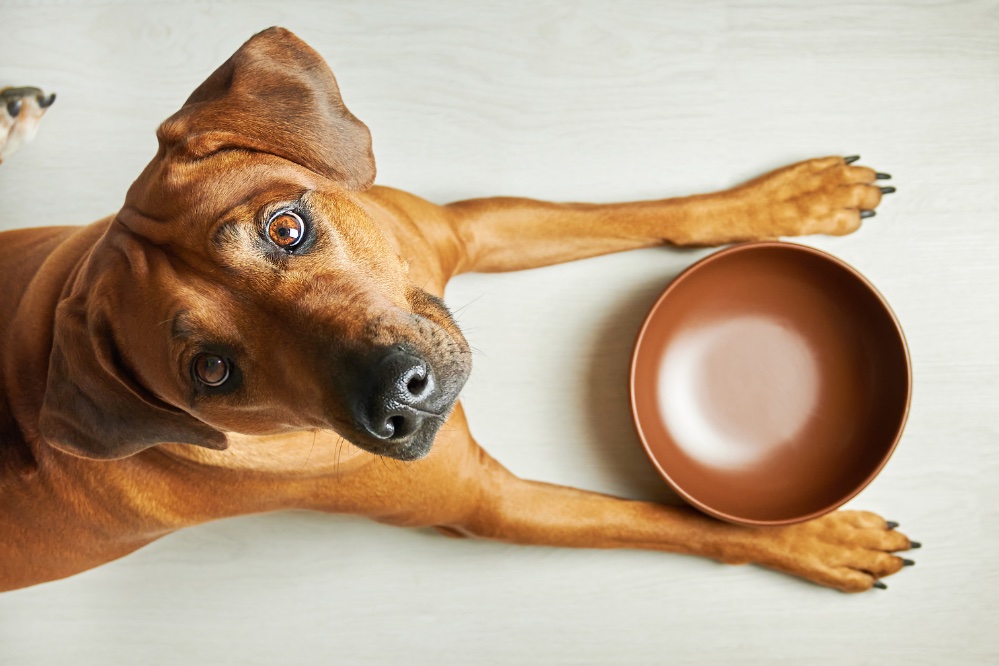
Some dogs have perfected the art of demanding dinner. The stare. The pacing. The bowl-tipping.. The “I’m wasting away!” dramatic sighs. Some dogs will even demand dinner twice - trying their luck with another family member even after they’ve been fed (Labradors, I’m looking at you…)!
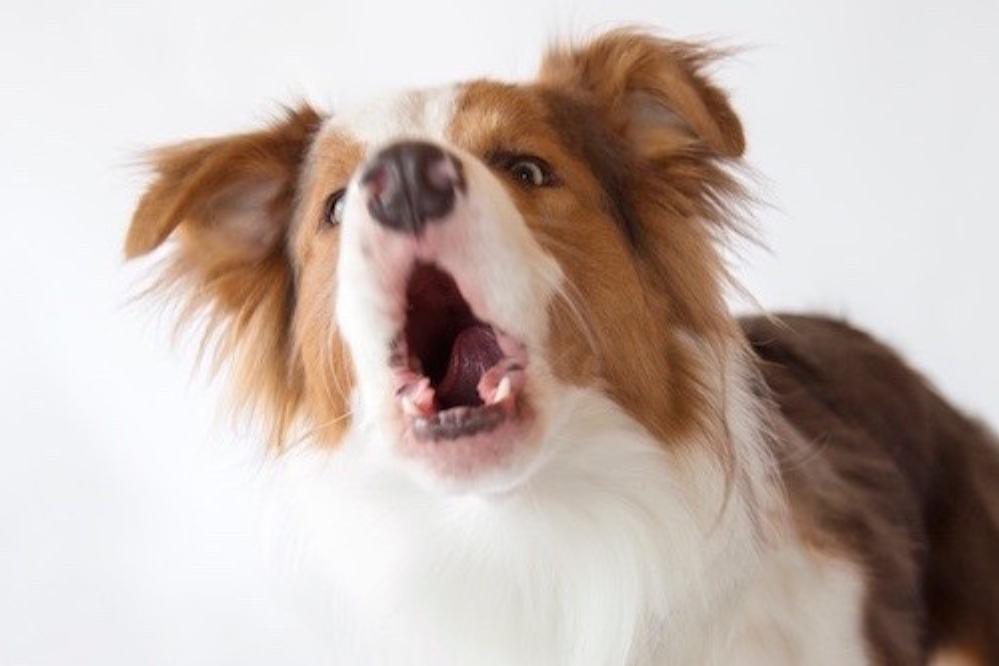
But for others, the behaviour can verge into barking, whining, pawing at you, or causing mischief just to get your attention... true attention seeking behaviours.
The good news? You can teach your dog a better, calmer, more polite way to “ask” for what they want so that you’re not being bossed around!
Just to be clear…this is not about eliminating those hilarious, cheeky behaviour quirks - sometimes those are the things we love most about our dogs! It’s just about making sure that they’re communicating with us in a way that is cute but not annoying and over-the-top.
Every dog has their own little ritual when they’re hungry.
When ADVANCE™ dog food first launched in New Zealand, we switched Awa over to this brand and he LOVES it. In fact, when transitioning him from his old food to ADVANCE, he would meticulously eat around the portion of old food in the bowl and only eat the ADVANCE kibble - certainly made his preferences clear!!
But because he’s now so eager for his dinner, he likes to gently remind us when it’s time by wandering over to lick his empty bowl. It makes me laugh every evening when I hear that little ting-ting of his bowl…he keeps me on schedule, that’s for sure!
I consider this absolutely fine, he’s not being loud, stressed or demanding - just giving me a little nudge.
Appropriate signals could include:
These are polite, non-demanding behaviours. They don’t increase arousal, and they don’t teach your dog that making a fuss gets them fed faster. Dogs need to be able to communicate their wants with us somehow, so I consider this kind of thing totally okay.
Some dinner “demands” can quickly turn into behavioural issues, especially if they're accidentally reinforced.
Behaviours you don’t want to reward include:
I treated a Corgi once and this was extreme…he would literally chase and bite his owner down the hall until he got his dinner…It seemed funny on first reading but was quite serious issue as you can imagine. Most people wouldn’t let it go this far!!
If you feed your dog immediately after any of these behaviours, guess what you've taught them?
“That worked — do it again!”
Dogs repeat whatever works. So if you want calm, you must reward calm. If you want quiet, you reward quiet.
When your dog acts in a way you approve of — like sitting or waiting — that’s exactly when you deliver dinner.
If your dog is being vocal or pushy, simply turn away, pause, and wait for 10 seconds of calm before moving toward the bowl again. Ideally ask for a Sit and Wait before you deliver the goods. This moment is your golden opportunity to reinforce the right behaviour.
If they are very persistent in their demands (and have months or years of practise with barking to get what they want!) you may need to do more training to address the specific issues e.g. by teaching the “Quiet” command to staunch barking, or the “Off” command to address jumping. We’ll cover those skills in another blog!
This is one of the simplest and most transformative behaviour foundations. Before your dog gets anything they want —food, freedom, affection, attention, play, going outside — they do a tiny bit of work, at least in the early training phase.
It can be as simple as:
This isn't about dominance — it’s about emotional regulation. Your dog learns: “If I control myself and check in politely, I get what I want.”
By getting a learned response (even just a basic sit), the dog has to move into their prefrontal cortex - the decision making part of the brain - and in doing so this dampens the emotional brain’s response and so teaches emotional regulation and builds impulse control, improves manners, and creates a calmer dog overall.
This is exactly how you teach your dog to “ask” for dinner (or anything else!) in a way that fits beautifully into your household routine.
Dogs like predictability and routine, but don’t be too regimented as your dog may then become ultra demanding if you’re running a minute late!
If they’re jumping, barking, or racing around — wait. Feeding in that state only reinforces hyperactivity.
Ask for a sit… then reward with a piece of food. Ask for a wait… then release to the bowl.
Sometimes dogs pester for food because their current diet isn’t filling or satisfying enough. A high-quality, balanced food like ADVANCE can help meet their needs more consistently.
Like I said, Awa just loves his food, and I love it too because it’s perfectly balanced for his needs. If you haven’t tried it yet, you can get 30% off the entire ADVANCE range at Petdirect — use code MARKVETTE30 at check-out. Awa is a working line dog so has the Active range, but you can choose the option that works best for your dog. Shop here.

When your dog understands how to “ask nicely” - both at dinner time, and whenever they generally want something from you - you avoid demand barking, pushiness, and all the chaos around mealtime.
You also build emotional stability, deepen your bond, and create a routine that supports good behaviour long-term.
Keep reinforcing calm, predictable, polite behaviour — and don’t forget to enjoy that beautiful moment when your dog sits patiently and looks up at you like, “Did I do good? Can I have dinner now?”
This content is created in partnership with ADVANCE dog food.
Sign up to our newsletter for free tips and dog training advice that will transform your relationship with your dog.