Tips for adopting an older pet
What you need to know if you're adopting an adult cat or dog


What you need to know if you're adopting an adult cat or dog
March 16, 2026
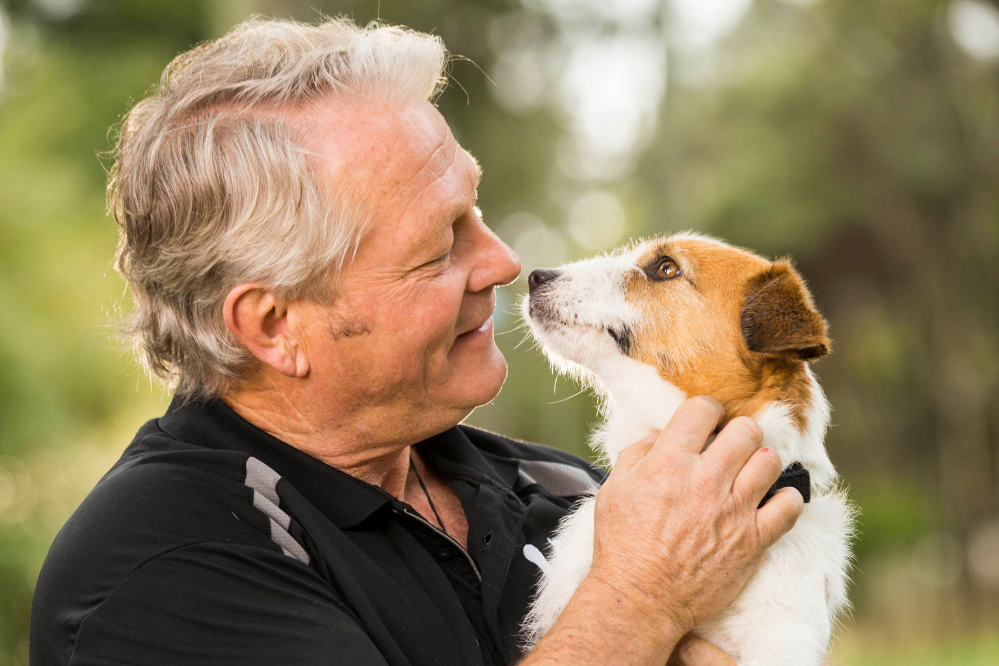
Adopting an older pet is one of the most rewarding things you can do. You're giving an animal a second chance at a loving home!
But the transition still takes time and thoughtfulness, even for a mature, experienced pet. Here's how to set you both up for success.
Before we get into the tips, it's worth celebrating the choice itself. Older pets are frequently overlooked in shelters and rescues in favour of younger animals — but they have so much to offer.
You may get:

Even a calm, well-adjusted older pet needs time to decompress in a new environment. Expect a settling in period of at least several weeks. Many rescue organisations refer to the 3-3-3 rule as a rough guide: 3 days to decompress, 3 weeks to learn the routine, 3 months to feel truly at home. It's not an exact science, but it's a useful reminder that settling takes longer than most people expect.
Resist the urge to show your new pet off to everyone straight away. Too many visitors, outings, and new experiences in the first couple of weeks can be overwhelming. Keep things low-key and predictable to begin with — there's plenty of time for adventures once they've found their feet.
Find out as much as you can about the set-up they're coming from — where they slept, what they ate, what their daily routine looked like — and try to replicate it as closely as possible at first. Familiarity is genuinely settling during a big life transition. If they've been sleeping in a crate, keep using a crate. If they were fed at set times, maintain those times.
Once they've settled, you can absolutely start to introduce changes and shape things to suit your lifestyle — but do it gradually rather than all at once.
Regular feeding times, consistent walking schedules, and a predictable daily rhythm all help your new pet feel safe. They don't know what's happening or why their world has changed — routine is one of the ways they learn that everything is okay.
Many older rescue pets come with a history we only partially know. Some have had wonderful starts and simply found themselves in difficult circumstances through no fault of their own. Others have had tougher or more restrictive beginnings, and that can show up in their behaviour — sometimes in subtle ways, sometimes in more significant ones.
Common challenges in rescue dogs can include:
This doesn't make them undeserving of a home — quite the opposite. But it does mean it's worth going in with honest self-awareness.
If the answer to any of those is uncertain, that's not a reason to give up on the idea of rehoming — but it may be a reason to look for a pet with a more straightforward history, or to choose a younger animal you can shape from the start. First time owners in particular are generally better placed adopting a young puppy or kitten, or an older pet who has been assessed as well-trained and behaviourally straightforward.
If you do take on a pet with existing behavioural challenges — or simply want to make sure you're building the best possible foundation — having access to good training guidance makes a huge difference.
My Virtual Dog School (dogs aged 2+) and Virtual Teenage School (pups aged 6 - 24 months) both cover all of the foundational skills and commands your dog needs, as well as how to work through the most common behavioural challenges including lead pulling, reactivity, recall, separation distress, and more — all at your own pace, from home. They're a great resource whether you're starting from scratch or troubleshooting something specific.
Even a well-trained dog can forget their manners during a major life transition. Don't assume previous training is solid until you've tested it. Revisit the basics — sit, wait, recall, lead walking — from scratch if needed.
A clicker and high-value food rewards are your best tools. Keep sessions short, fun, and successful. This isn't just about behaviour — it's one of the best ways to build your bond and establish yourself as your new pet's trusted person and mentor. Learn the basics of clicker training here.
For cats, this might look less like formal training and more like simply letting them set the pace for interaction. Let them come to you. Avoid forcing contact. Build trust slowly and you'll be rewarded for it.
Knowing when your pet is struggling is one of the most valuable skills you can develop. Common stress signals include:
In dogs:
In cats:
If you notice these signals, ease off on whatever is happening — whether that's a visitor, a new experience, or even too much handling — and give them space to decompress.
Calm, low-key enrichment is wonderful during the settling period. It occupies the mind, reduces anxiety, and helps your pet associate their new home with good things — without the overstimulation of big outings or lots of social interaction.
Older pets may come with existing health considerations, and it's worth booking a vet check shortly after adoption even if they appear well. It gives you a useful baseline, flags anything worth monitoring, and starts building a relationship with your vet before any issues arise. Make sure you have details of any medications, dietary needs, or known health history from the rescue or previous owner.
The first few weeks can feel uncertain. Your new pet may seem shut down, anxious, or not quite what you expected. That's completely normal. Give them time, keep things calm, and trust the process.
What emerges on the other side — once they feel safe, settled, and loved — is almost always wonderful. Older pets have so much to give, and when they finally relax into their new life with you, there is nothing quite like it.

Sign up to our newsletter for free tips and dog training advice that will transform your relationship with your dog.