How to train a fearful dog
Is your dog scared of noises, people or new experiences? Here's how to train them.


Is your dog scared of noises, people or new experiences? Here's how to train them.
September 28, 2026
By Mark Vette, animal behaviourist, zoologist and founder of Dog Zen
The short answer: To train a fearful dog, first identify what triggers their fear, then build trust through calm, consistent handling and positive reinforcement. Use a clicker or "yes" marker to help your dog switch into a calm learning state. Then use systematic desensitisation, which means very gradual exposure to the scary thing while rewarding calm behaviour. Always work at your dog's pace.
It can be very upsetting if you have a dog that's scared of people, other dogs, loud noises or particular experiences. They're a beloved family member, so of course you want them to relax and enjoy life as much as possible. The good news is that with the right approach, most fearful dogs can make real progress.
The most common reason is limited socialisation and exposure to the world during a puppy's formative period, 8–16 weeks. This is the most critical time in a puppy's development, when they're primed to make social connections, pick up new behaviours and adjust to new situations. If pups aren't socialised and exposed to new experiences extensively by around 4 months old, they're much more likely to have fear-based issues later in life. That's why it's so important not to keep pups isolated at home during this time.
Fear and anxiety can also be caused by a traumatic incident, such as a dog attack, injury, illness or a big fright. Genetics play a part too. Some breeds are more prone to developing phobias, while others are naturally more resilient.
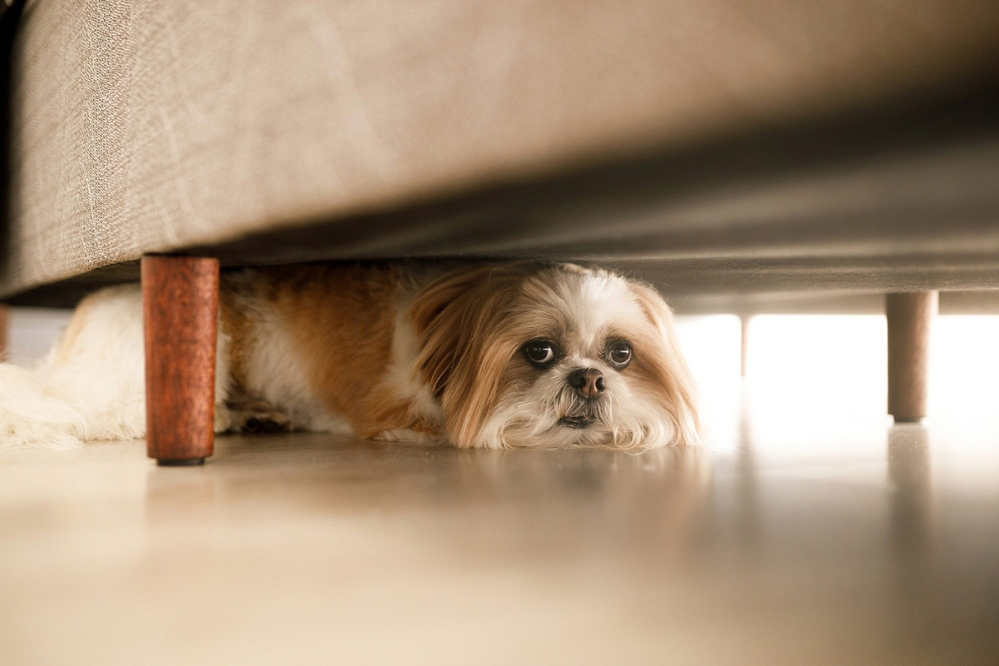
Before you can help a fearful dog, you need to recognise when they're feeling afraid. Common signs of fear in dogs include:
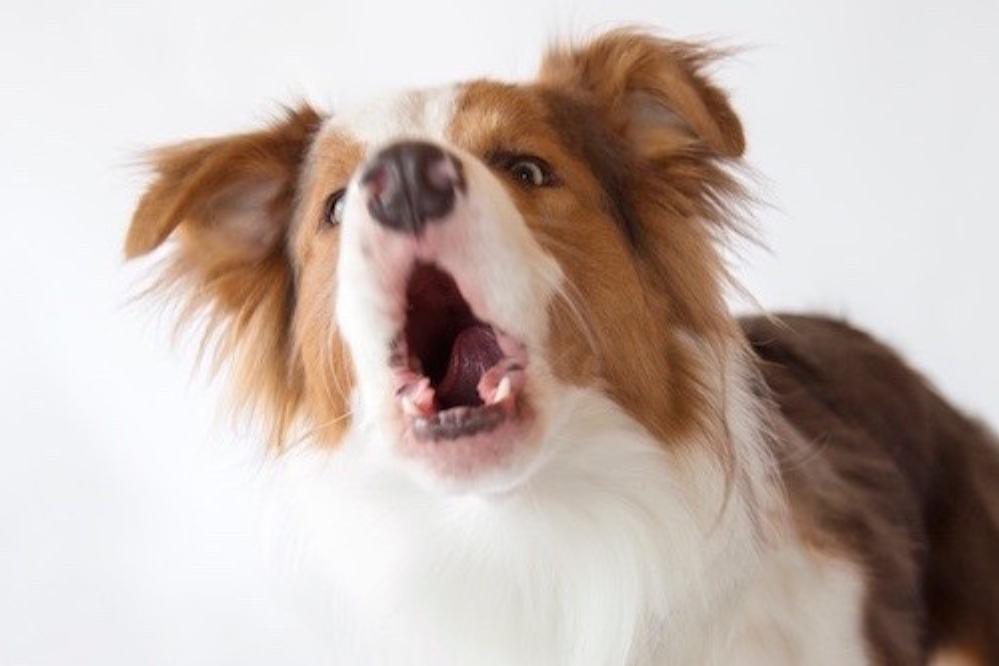
Some fearful dogs will also bark, growl or lunge as a defensive behaviour.
Watching your dog's body language closely will tell you what their triggers are and how intense their fear is, which shapes how you approach training.
If you're raising a puppy, the best thing you can do is socialise them extensively and give them a wide variety of positive experiences. I cover how to raise a confident puppy here: How to Raise a Confident Puppy.
Before diving into solutions, work out what's actually driving your dog's fear. Note when it happens, what triggers it, and how your dog reacts. Is it one specific thing, like the vacuum or fireworks? Or is it broader, like strangers, other dogs or new places? The answer will shape your training plan.
To help your dog feel safe and calm, they need to trust you and look up to you as a mentor who is in control of the situation. They need to know you've got this so they can relax.
Clicker training isn't just for teaching tricks. A clicker marks the exact behaviour we want from a dog. Once your dog is familiar with it, it also becomes a switch conditioner that helps switch your dog from a fearful, anxious state into a calm, learning state. This can be transformative for fearful dogs and helps them progress much more quickly. Positive reinforcement training with a clicker also builds affection and strengthens the bond between you.
To introduce a clicker, throw treats on the ground and click as your dog eats them. Then practise some basic commands such as Sit: give the command, click the instant your dog's bottom hits the ground, then follow up with a treat. Always click the instant your dog does the right behaviour, and always follow with a treat.
If you'd rather not use a clicker, say "yes" in a nice, consistent, positive tone instead. This is called a yes marker.
Desensitisation is systematic exposure to gradually increasing levels of whatever your dog is afraid of. You use a clicker and high-value food rewards to keep your dog calm and accepting, which helps wire in that acceptance.
I'll use the example of a vacuum cleaner, because fear of the vacuum is so common, but the same principles apply to most specific fears.
Make sure your dog is hungry before the session, and arm yourself with high-value treats like cooked chicken or dog roll. Start with a few calming commands such as Sit, Down and Heel, using your clicker and treats, to establish contact and focus.
Place the vacuum in the far corner of the room and bring your dog in as far from it as possible. Practise some Sit and Down commands. Don't turn it on! If you start it straight away, your dog will become stressed immediately and training becomes extremely difficult.
Drop pieces of food on the floor, systematically closer and closer to the vacuum, for your dog to eat. Click as they eat. If your dog is eating, that's a great sign they're coping. If they stop eating, move further away from the vacuum and click and reward calm responses. If needed, cover the vacuum with a blanket and start from there.
Keep moving the treats closer until you're eventually placing food on top of the vacuum, so your dog is interacting with it. Pace yourself based on your dog's reactions. You need to gently push their boundaries, but not so fast they can't cope. This may take more than one session.
Once your dog is comfortable taking treats from the stationary vacuum, have someone pick up the nozzle and move it slowly and gently near your dog, still switched off. Keep clicking and rewarding calm behaviour. Throw treats near the head of the vacuum as it moves and encourage your dog to get them. Praise your dog in a friendly, upbeat tone throughout.
Be guided by your dog. If they seem okay, move them closer. If they seem stressed, move them away and give it more time.
Once your dog is doing well with the moving vacuum, take them well away from it and have someone switch it on at the lowest setting. Because you've already worked with the vacuum up close while it was off, having it on but further away isn't as threatening. You can cover it with a blanket to muffle the noise if needed.
Start with it on briefly, for about 3 seconds, then switch it off. Then extend the time systematically, clicking and rewarding continuously for calm responses.
Then move your dog toward the running vacuum in very small increments, clicking and rewarding throughout. Your dog may be a bit nervous, but if they're taking food from you, they're doing well. Keeping them focused on the food helps keep their mind off the noise.
It's fine to move very slowly through these steps. Your dog should be comfortable with each step before moving to the next. Slow and steady wins here, because moving too quickly can set your training back.
In each session, get as far as your dog can handle and finish on a good note, with them eating. You might not get through all the steps, and that's not a problem. At the start of each new session, go back a step or two so your dog begins with success. Succeeding is the name of this game, because it builds their confidence.

Ideally, do this training once or twice a day, for 10-15 minutes per session. Watch how your dog is coping and stop before they're overwhelmed. In my experience, it can take between 1 and 6 weeks to see good change, depending on how severe your dog's fear is.
For noise phobias like fireworks or thunder, start by playing recordings of the sounds through a speaker at a very low volume. Gradually increase the volume as your dog copes, using the same systematic desensitisation steps described above.
It's best to start well before Guy Fawkes or the stormy season, so your dog has time to build confidence before the real thing.
Fear of people or other dogs is one of the most common problems I see, and it needs a careful, skilled approach. Getting it wrong can make things worse. A few principles to start with:
Because every dog is different, a structured programme makes a big difference here. Our Virtual Training Schools take you through this step by step, with personalised support from expert dog trainers as you go. Using the right techniques is essential, both for your dog's progress and for the safety of everyone involved. Learn more about our Virtual Training Schools.

If your dog's fear is causing major problems or stress in their life, it's worth talking to me or another behaviourist, and potentially your vet. In some very chronic and difficult cases, drug-facilitated therapy may be appropriate alongside training.
This is a balance. We want to offer comfort, but we don't want to actively reinforce anxious behaviours, as this can make them worse. So don't directly "reward" your dog when they're whining, barking, howling or showing other stress-based behaviours. Instead, move away from the trigger then redirect them with high-value food rewards and get them back into their logical "thinking brain" by doing some basic commands - the simple act of making a decision and following a command can be very helpful. It also matters greatly that you stay calm and confident yourself. If you're anxious or overly fussy, your dog may pick up on that and take their cue from you.
Many fearful dogs improve dramatically with consistent training. Some will always be a bit more cautious than other dogs, but they can still live happy, relaxed lives with the right support and management.
With daily sessions of 10-15 minutes, many dogs show good change within 1–6 weeks. Severe or long-standing fears can take longer to treat fully.
If you have a question or aren't sure where to start, feel free to reach out to me and my team.
Mark Vette is a globally recognised animal behaviourist, zoologist and the trainer behind Dog Zen’s Virtual Training Schools. He brings together a unique combination of academic study and 40 years of applied clinical animal behaviour consulting and treatment through his behaviour clinic. He's New Zealand's go-to media commentator on all things animal, and is well known for his popular TV series Purina Pound Pups to Dog Stars.
Sign up to our newsletter for free tips and dog training advice that will transform your relationship with your dog.