How pain affects your pet’s behaviour
When it’s time to see a vet to help manage behavioural challenges


When it’s time to see a vet to help manage behavioural challenges
December 8, 2025
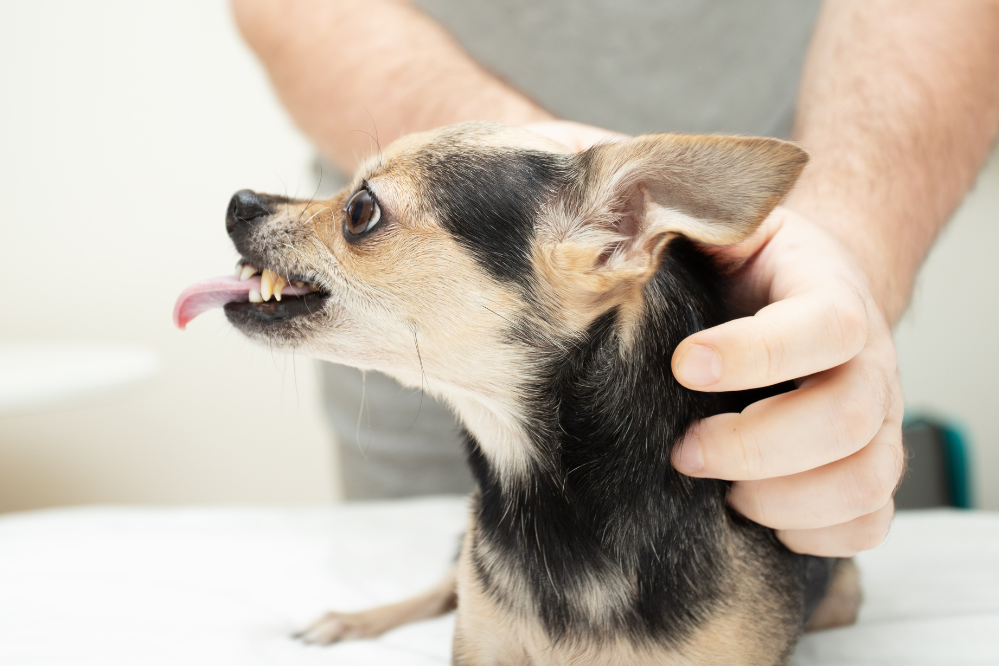
When I’m doing a consultation with a client, I always consider any physical changes or issues that may be contributing to a pet’s behaviour. This can be overlooked, but it is a critical part of your pet’s holistic care. Just like with us humans, poor health, pain or age-related conditions can have an impact on how your pet feels and therefore acts.
Sudden behavioural changes can be an indicator of physical pain or ill health, so always see your vet if you notice a change with no other obvious explanation.
Knowing a pet is in pain is not always easy - pets can be very stoic and the indications may be subtle. Your pet may become inhibited or simply shut down, they might be more reluctant to do their daily walks or play, they may shy away from contact or affection, they might be less responsive to commands, or they may even become aggressive.
In the wild, showing pain can be a weakness, which is why our pets may not always indicate that something is wrong. Masking discomfort can be a survival instinct - you do not want to appear vulnerable in the wild! We have to be perceptive to changes in our pet in order to pick these things up.
If in doubt, a check-up with your vet is always a good idea.
In some cases, behavioural changes caused by pain can lead to a long-term change in your pet’s behaviour. For example, your pet may become touch-avoidant in certain places (or averse to touch in general) or they may develop pain-induced aggression, which lasts even after medical treatment.
If pain is left untreated for too long, both cats and dogs can become more reserved or fearful, develop obsessive behaviours like excessive licking and self-mutilation, start to avoid social contact or become less playful. Identifying and treating the issue early will help mitigate any long-term effects.
Getting on top of things early is one of the many reasons I recommend you have pet insurance. It means you can be responsive to potential issues without worrying about the cost of treatment. I choose and recommend Southern Cross Pet Insurance - they have been lifesavers (quite literally) for my dogs over the years, and I’m always impressed by the coverage of their plans and the straightforward and empathetic way their team handle claims. Check out their range of plans for cats and dogs here.
Pain can manifest through both physical and behavioural cues - for dogs and cats alike. Here are some key indicators to watch out for:
Cats can be even more reserved in expressing discomfort. Here are some key signs to watch out for:

A pain-related change in your pet’s behaviour may start very suddenly, or it may develop slowly as an issue builds. Any behavioural change that is otherwise unexplained warrants an initial vet check.
The most important thing is to identify whether or not pain is a factor in your pet’s behaviour. If you’re uncertain, a professional assessment by a vet is essential as a starting point. Resolving the issue may include a combination of medical treatment along with behavioural treatment (especially where pain-induced behaviours have become habitual). Environmental management may also be necessary, for example lowering cat’s perches or making spaces more accessible with ramps if mobility is an issue.
As your pet’s closest companion, you know their personality and habits best. Subtle changes might be the only clues that your pet is in pain, so trust your instincts and seek help if something seems “off”. Early intervention can make all the difference in improving your pet’s quality of life, and preventing long term behavioural issues from setting in!
This content is created in partnership with Southern Cross Pet Insurance.
Sign up to our newsletter for free tips and dog training advice that will transform your relationship with your dog.